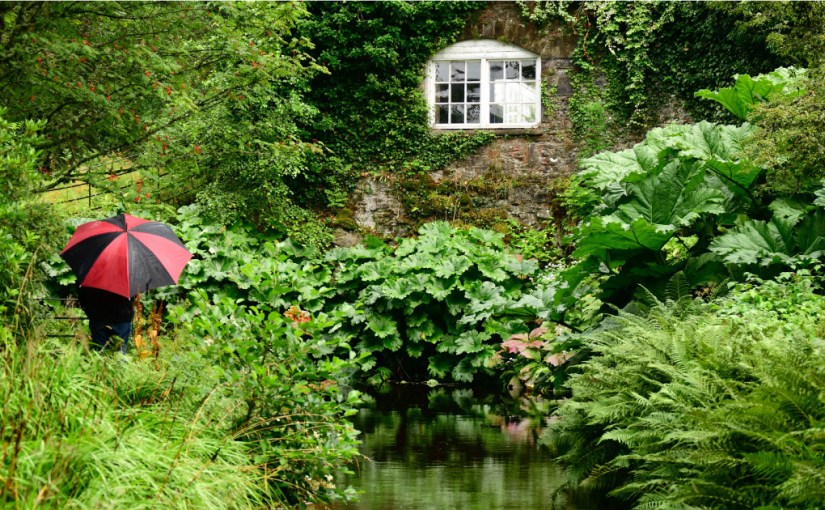
Bringing you closer to Scottish flowers and plants at home ROOTS is a celebration of Scotland’s flora, helping both your garden and The National Trust for Scotland’s gardens thrive and flourish.
For £6 a month NTS will send you a ROOTS pack every six weeks, with gardening goodies, stories about Scotland’s plant life and tips from their expert Trust gardeners.
ROOTS can be bought as a treat for yourself or as a gift for a loved one.
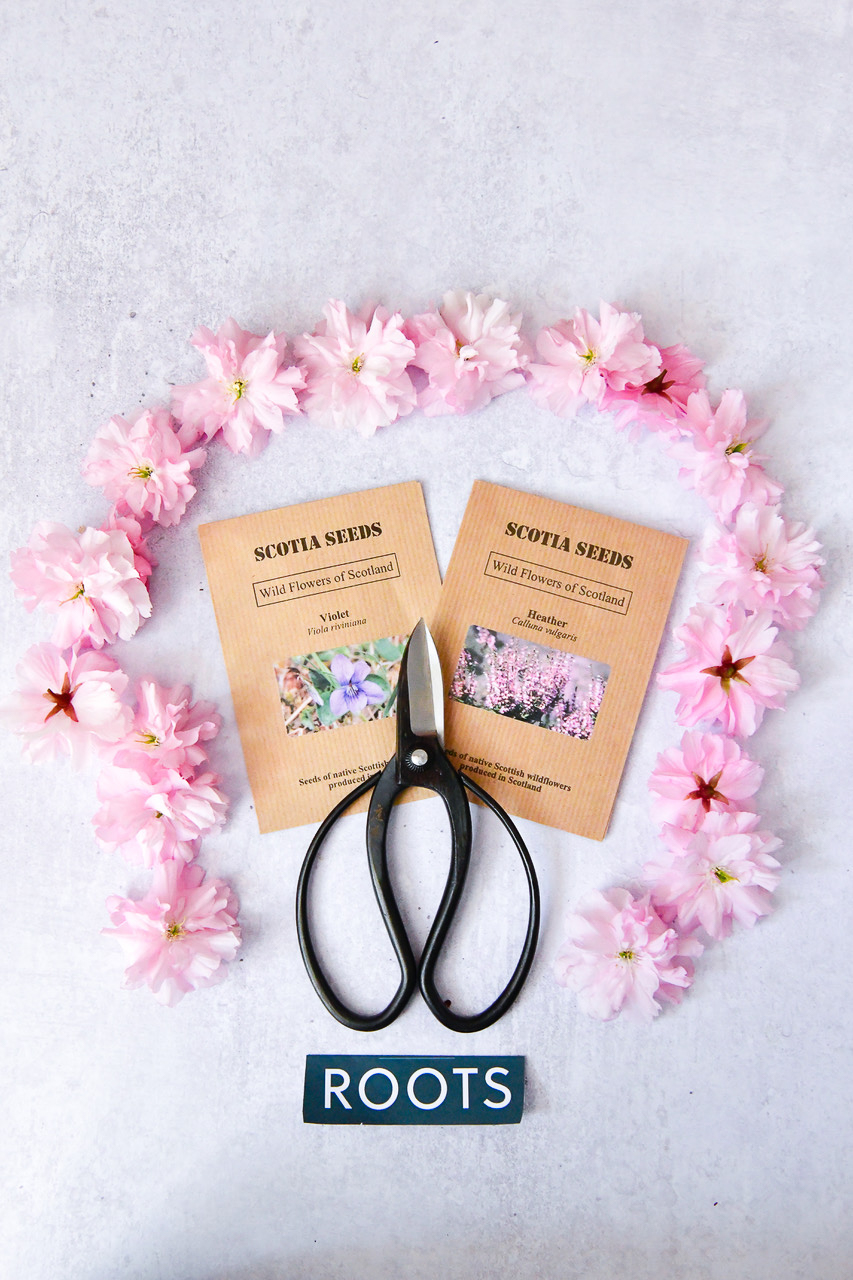
Your subscription will include:
- A ROOTS pack sent to you every six weeks with gardening goodies to help your garden bloom – and six times a year the packs will also contain a packet of Scottish seeds for you to grow at home
- Planting guides written by our expert Trust gardeners so your seeds will flourish
- Stories and histories of the Scottish plants protected and cared for by the Trust
- Regular emails with top tips and ‘How To’ guides, gardening blogs and articles from our gardeners
- An invitation to two exclusive ROOTS events a year with our gardens team
- Gift subscriptions also include a gift certificate so your loved one will know who their special gift came from

Within the pack this month our two packets of seed one Heather (Calluna vulgaris) and the other Viola riviniana.
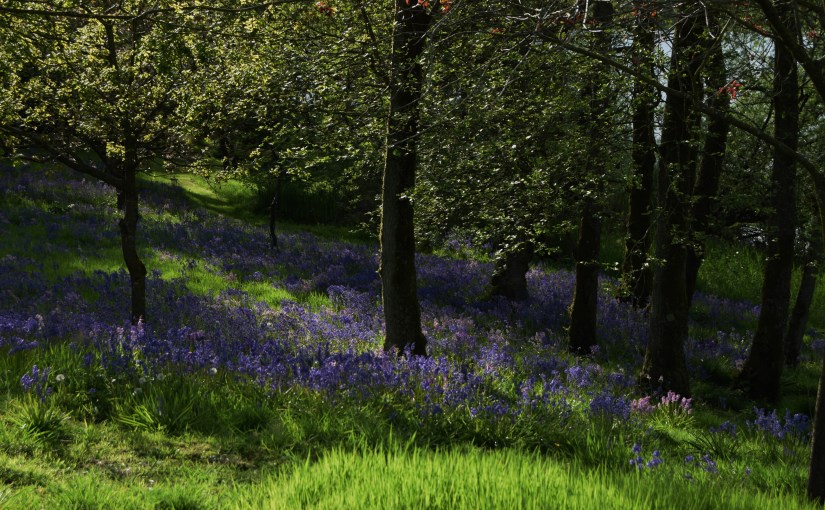
Violet (Viola riviniana) This dainty purple flower is a beautiful spring plant typically found in the wild throughout Scotland. It grows in a wide range of sites from woodlands & grasslands to heath and hedgerows. Where it grows it forms small low clumps with distinctive glossy dark green heart shaped leaves. It is known for being the food source for a number of butterflies including the Pearl-bordered Fritillary. When sowing the seed it is best to do this in trays or pots in moist compost and the ideal time to do this is in spring or autumn. Once the seeds germinate you will be able to transplant them to an open site in your garden. You can also scatter the seed directly onto a seed bed that has been finely raked – then firm down and water. Violets like light shade but will also tolerate sunny locations. They prefer soil conditions that are moist, well drained and rich in organic matter. They go well with our native Primula vulgaris, the common primrose, in spring. Violets also have a faintly sweet taste, slightly like a Parma Violet sweet. The young leaves can even be eaten as a green vegetable or in salads – however, do be aware that the roots and seeds are poisonous.
Find out more here: https://www.nts.org.uk/fundraise-for-us/roots
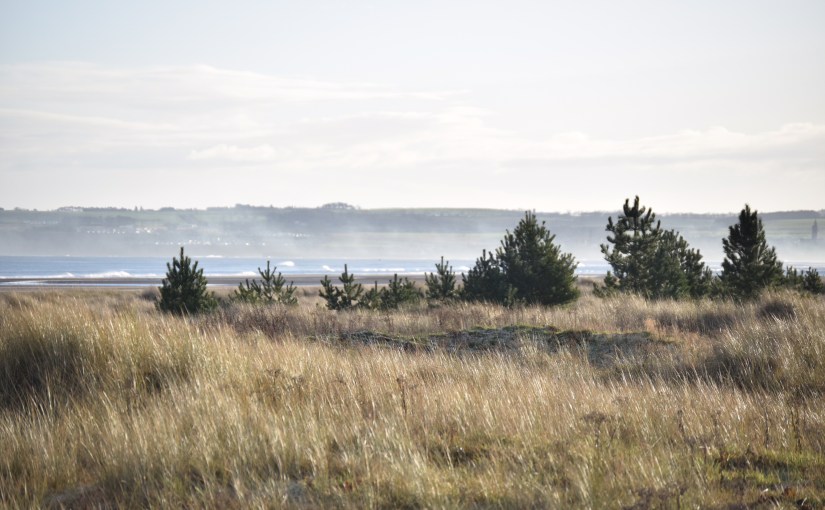









 has lost 98% of its natural wildflower meadows and grassland which once covered great areas of the British countryside. This has been a direct result of the intensification of agricultural practices with the increase of fertilisers, pesticides and new machinery. These factors have severely impacted biodiversity and the natural ecosystems in the UK, across Europe and the world. The majority of British hay meadows developed and evolved over hundreds of years of traditional farming methods have been ploughed up and the wildlife and insects that depend on them significantly reduced. People must now act by recreating wildflower biodiverse habitats in the form of restoration, re-sowing and set aside land. Education about these valuable meadows are key in saving both plant, insect and animal species for future generations.
 Get Planting!