Wonderful Wisteria

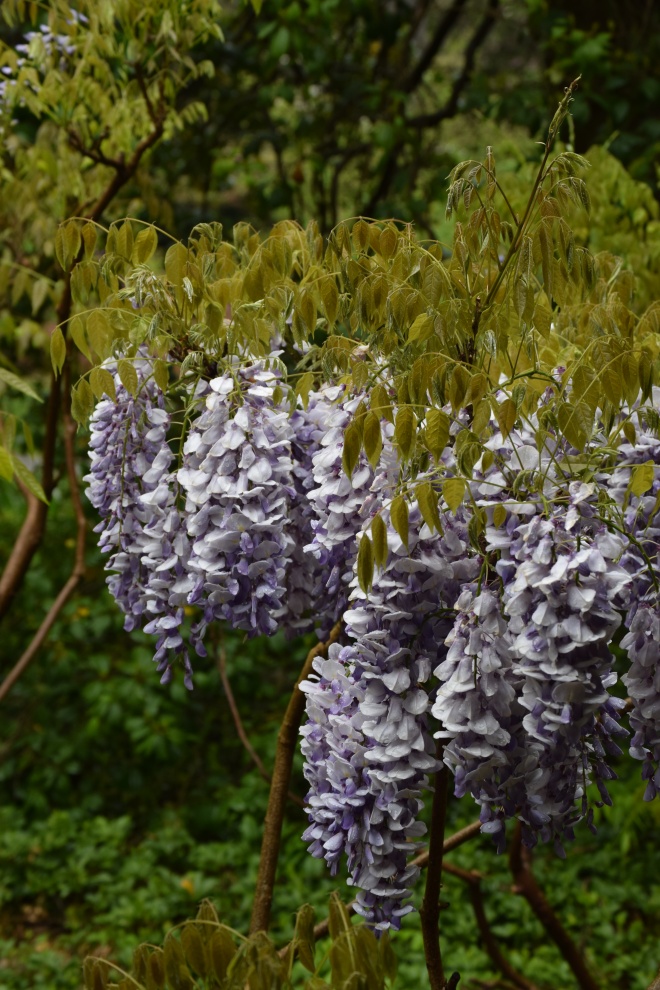
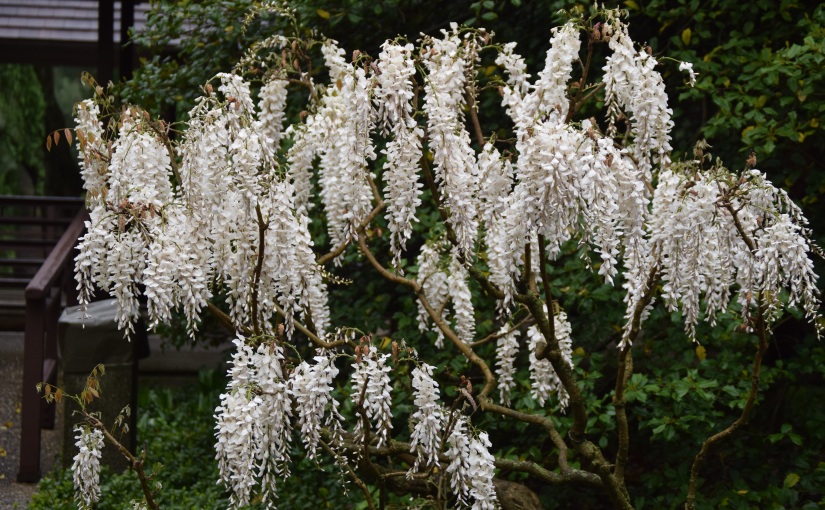
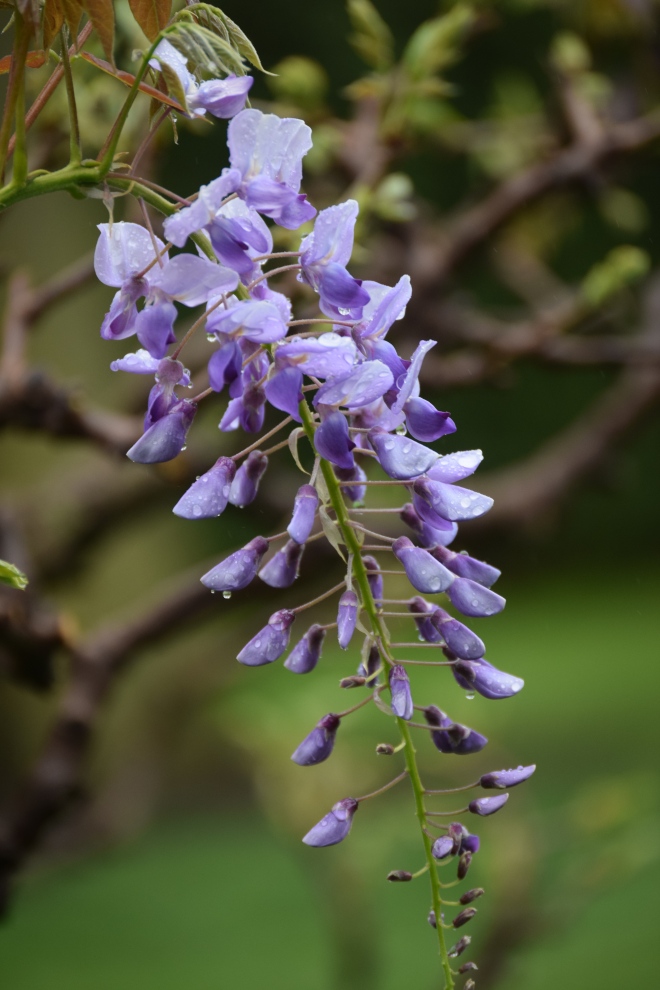
Wisteria is a large vine plant species which captures the imagination of many people. It is known for its attractive pendulous flowers that bloom in late spring to early summer depending on the location and environmental factors. Its leafy foliage is also very attractive throughout the growing season. The plant typically develops one main trunk with multiple side branches.It differs from other climbers as it does not have the ability to cling to surfaces. Instead it would typically ramble along the ground without any support. Once established Wisteria has deep penetrating roots and can become a heavy structure. This highlights the importance of using proper supports to make sure the plant is securely anchored. The beautiful white or purple blooms hang in large clusters and are sweetly fragrant. They can be successfully trained into trees, up walls, pergolas, as standards and many other structures. If buying a new Wisteria always make sure it has been grown as a graft or cutting. Seed raised Wisteria are typically less reliable and take longer to flower. Yearly pruning consists of shortening new growth firstly in August then again in February. Pruning helps flowering display by helping bud formation.


Check out the RHS guide to pruning of Wisteria
 

DSC_0055


DSC_0932

Trilliums

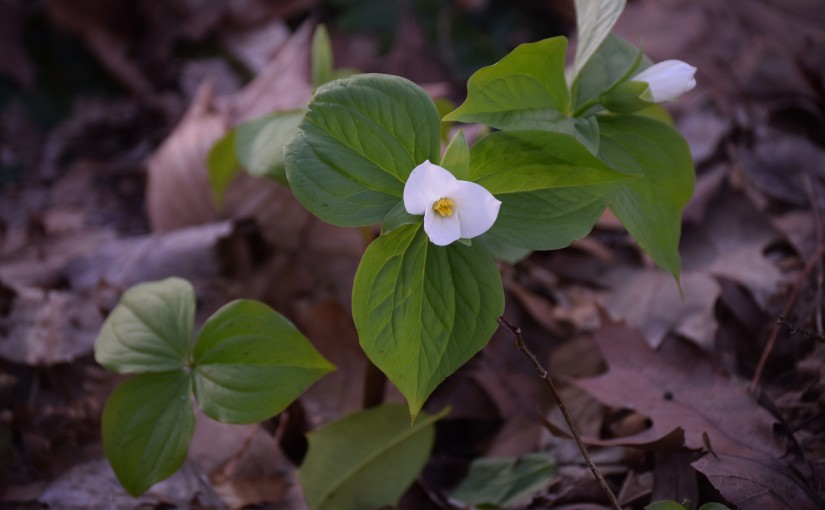
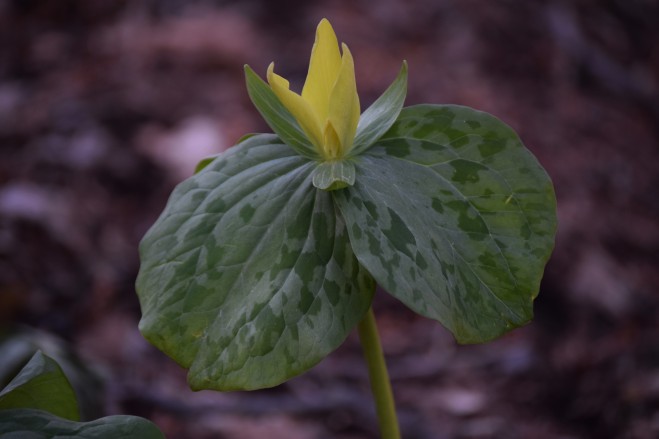
Trilliums are a beautiful ephemeral flower.  They emerge in spring and flower in the sunlight which hits the forest floor before deciduous leaves begin to grow on the trees above. They die down soon after the leaves block the sunlight above them. The name Trillium derives from ‘tri’ meaning three and it describes their defining characteristics of three petals, three sepals and three leaves. The colour range is from pure white to yellow and maroon and some petals curl back on themselves. The foliage of some species can be described as ‘toadshade’ due to the marking on the leaves. A rhizome which is very long lived and it can take up to seven years for many of them to flower from seed. They are unique in the floral world for emitting a range of smells ranging from delicately sweet to foul smelling. This scent helps the plant attract flies and insects or beetles as their pollinators. Grow them in your own garden if like a challenge and can provide the environment they thrive in. The ideal location is in a shady, evenly moist part of your garden with loose soil. Once established clumps can be lifted and divided once the foliage begins to die back. They can also be propagated by seed but the seed must be sown straight away. Trilliums have a double dormancy which means they will germinate in their first year but only produce a root. It is not until the next year that a leaf shoot will emerge which is followed by the characteristic three leaves in the years that follow.


Trillium Collection UK 

Visit Mt Cuba USA to view an impressive collection of Trilliums on display during spring.


DSC_0764 (2)

DSC_0745 (2)

DSC_0761 (2)


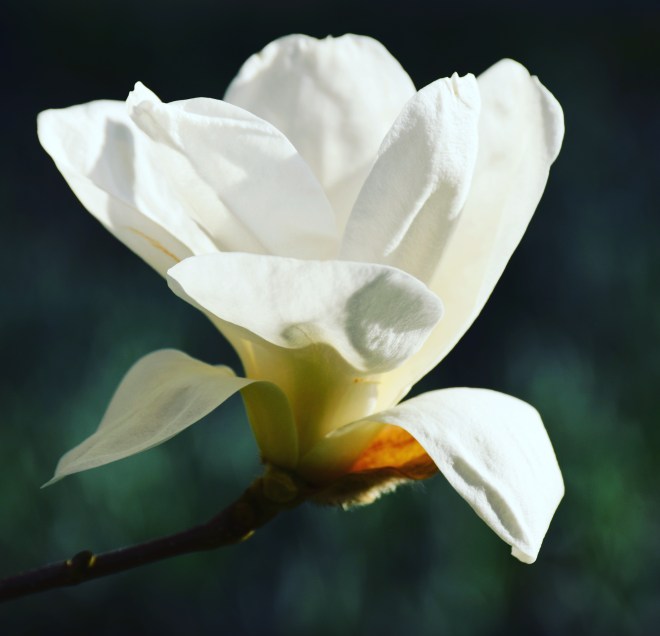
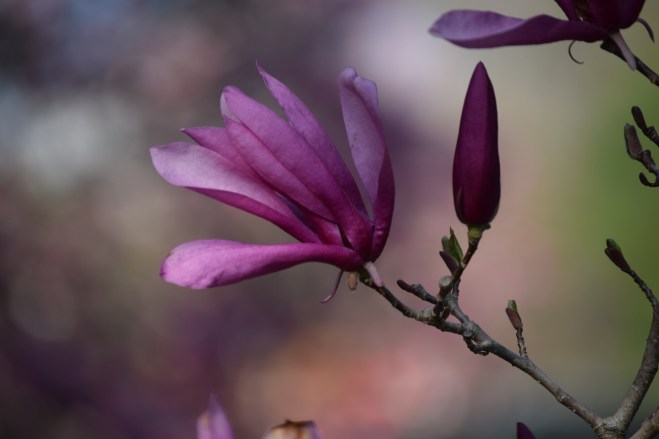
Magnolias are under threat

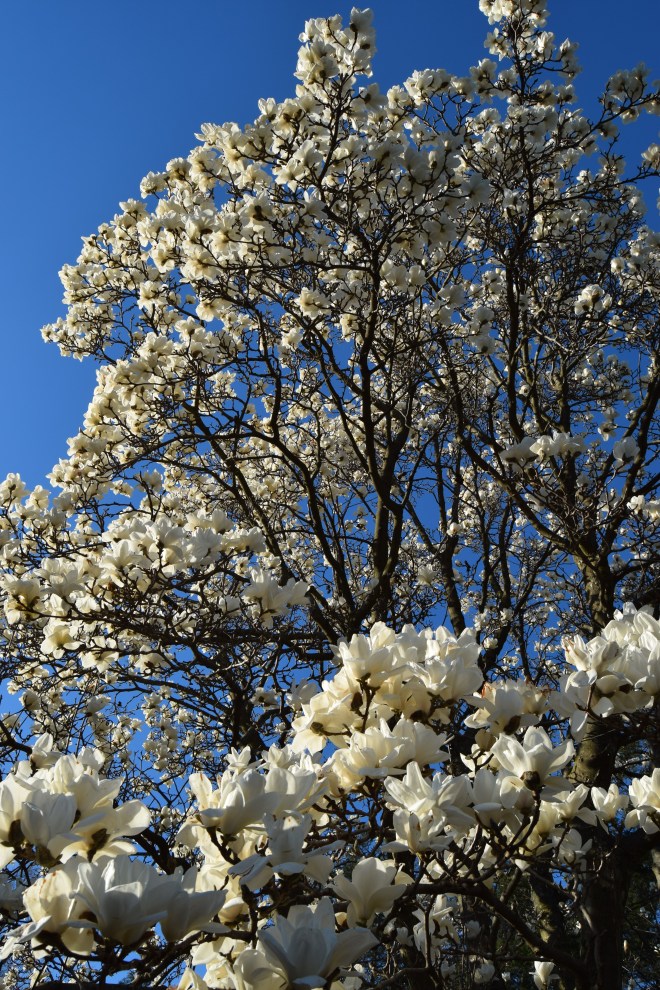
Magnolias are appreciated and admired around the world as an ornamental tree due to their large cup-shaped attractive flowers which cover the whole tree creating a breathtaking display. Despite their beauty and popularity they are under threat. A recent research report published by The Botanic Gardens Conservation International (BGCI) concluded that half of all Magnolia species are under threat from extinction in their wild habitat. Reasons include deforestation from commercial logging, habitat loss and climate change. This ancient tree species has survived on earth for a long time living through various global changes but we must act fast now to prevent losing them. One of the most popular garden types, Magnolia stellata, is categorised as endangered. A red list of Magnoliaceae species was conducted by experts which has carried out an assessment of the 304 wild Magnolia species from around the world. The IUCN Red List of Threatened Species is a globally recognised approach which is used to evaluate the conservation status of plants and animals. This has helped provide information and help analyse status, trends and threats to species. The Red List has been used by scientific institutions and governments around the world to help guide and carry out conservation. The Global Trees Campaign (GTC) is supporting conservation projects in China and the Neotropics where the global hotspots for Magnolia species occurs. It is becoming very important to have Magnolia species growing in gardens, botanic gardens, arboretums and stored in seed banks. These ex situ collections are essential to help safeguard the species in the event of extinction in the wild. The species currently in cultivation in gardens does not represent the number found in the wild. This highlights the need to prevent logging and habitat loss through conservation in wild populations.

BGCI

Global Trees Campaign

Magnolia Society International 


DSC_0572

IMG_20160318_195108

DSC_0587


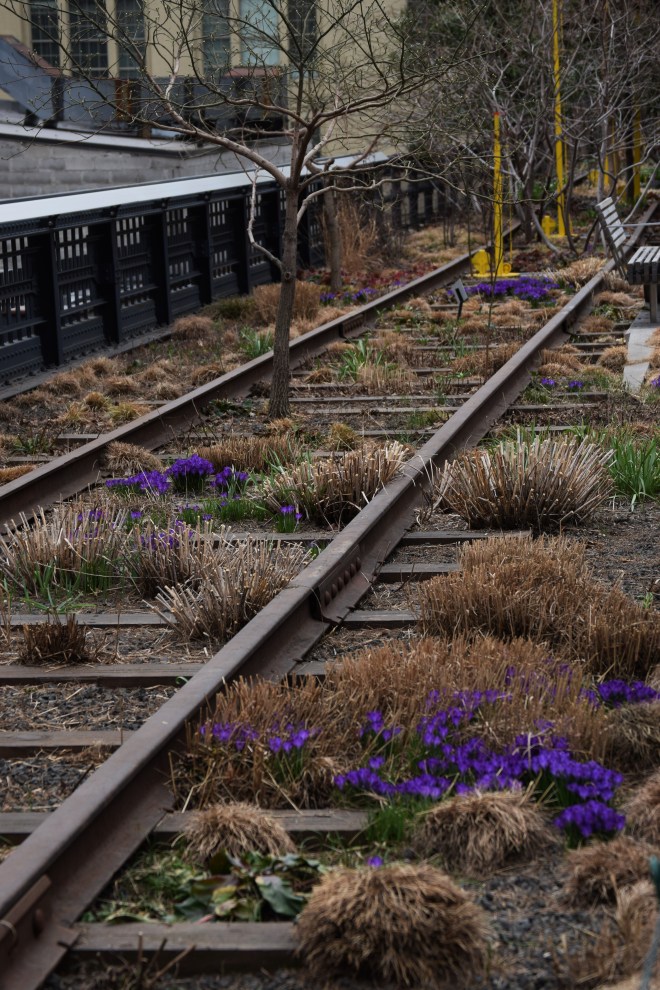
The High Line – New York

The High Line is a unique greenspace providing an oasis in the bustling urban jungle of New York City. This valuable regeneration project is the result of a visionary community of New Yorkers who fought to transform a derelict, elevated railway line into a free open park. Now enjoyed by locals and tourists from all over the world the High Line welcomes around two million visitors a year. It is maintained and operated by the Friends of the High Line in partnership with New York City Department of Parks and Recreation. The planting design was conducted by Dutch designer Piet Oudolf who is famous for his naturalistic approach. He took inspiration from the existing landscape looking firstly at the plants which had colonised the disused space after it had stopped operating. He decided to use a sustainable planting choice that consisted of native, drought tolerant and low maintenance plants. The High Line also provides jobs, art installations and community benefits. As we learn more about living in our rapidly expanding cities we must not lose our vital connection with nature which today is more important than ever. The High Line is an inspiring example of changing a derelict urban space into a new greenspace that will enrich the lives of people who experience it. Not only does it have huge community therapeutic benefits but it is also now becoming a “must see” tourist destination. Visitors can return home encouraged to replicate something similar in their own cities.  Even in winter visitors will be impressed by this example of reconnecting people with nature in their urban greenspace. If you can’t visit in person learn more from their website and blog.


DSC_0858 (2)

DSC_0843 (2)

DSC_0976 (2)

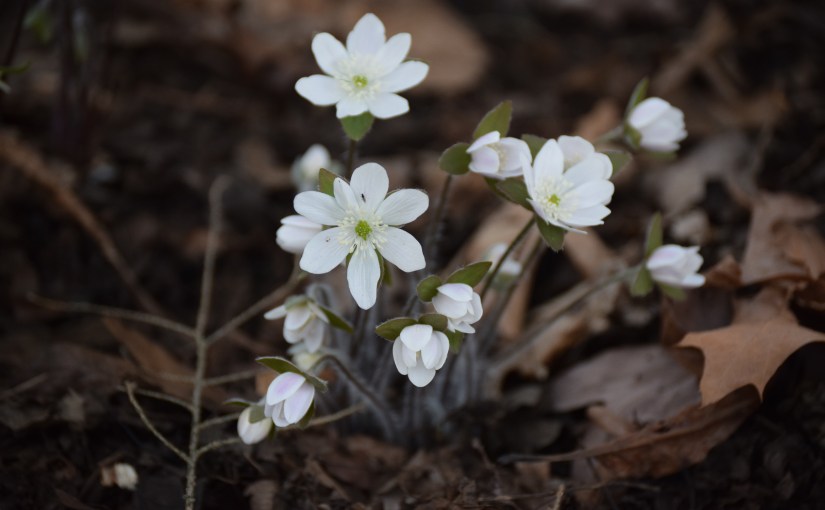
Spring Hepatica

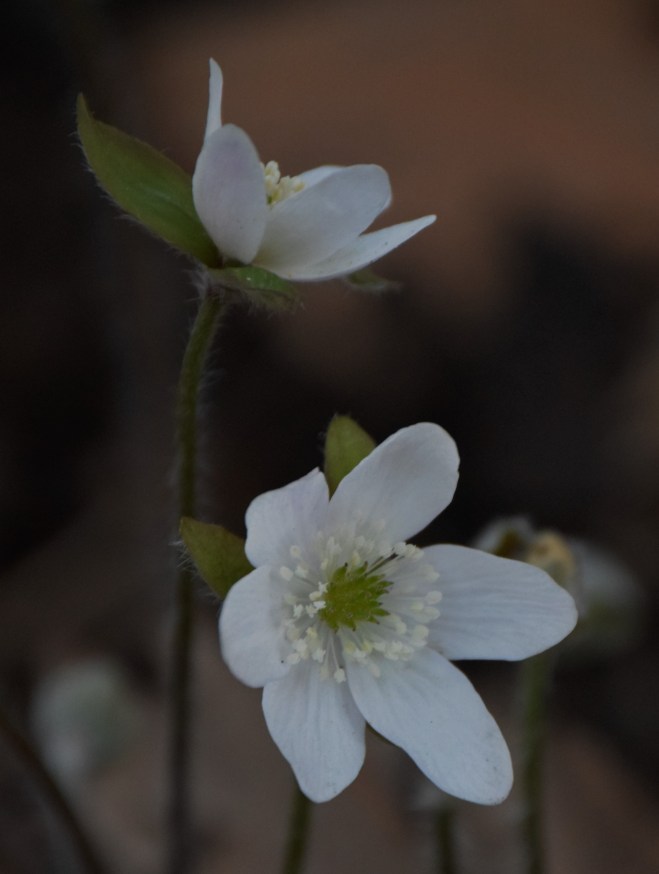
The alluring Hepatica flowers from February to March and is the perfect spring jewel for any garden. Often found in the wild emerging through snow Hepaticas are part of the Ranunculaceae (Buttercup) family. For this reason they look similar to wood anemone with the characteristic three lobed leaves. The attractive small flowers are native to woodlands in Central and North Europe, Asia and North America.

The subtle flowers come in shades of white, purple, crimson, and blue. In Japan new double forms are being developed for cultivation. The European native species typically grow in dappled woodland and work well in your garden under trees and shrubs. H.americana and H.acutiloba were commonly used for medicinal purposes and were referred to as liverwort due to their leaf appearance.  Try mixing them with other spring bulbs as companions and extending seasonal interest in your garden. They do not do well in highly competitive areas but good companions are hellebores, scilla, wood anemones and trilliums.

Ashwood Nurseries is a UK based plant nursery that specialises in this genus. They supply fresh seed and have won an impressive collection of RHS Gold Medals.


DSC_0478 (2)


Blue Heaven

“The Himalayan Blue Poppy is at the top of every plant lover’s list.”   Vita Sackville West.

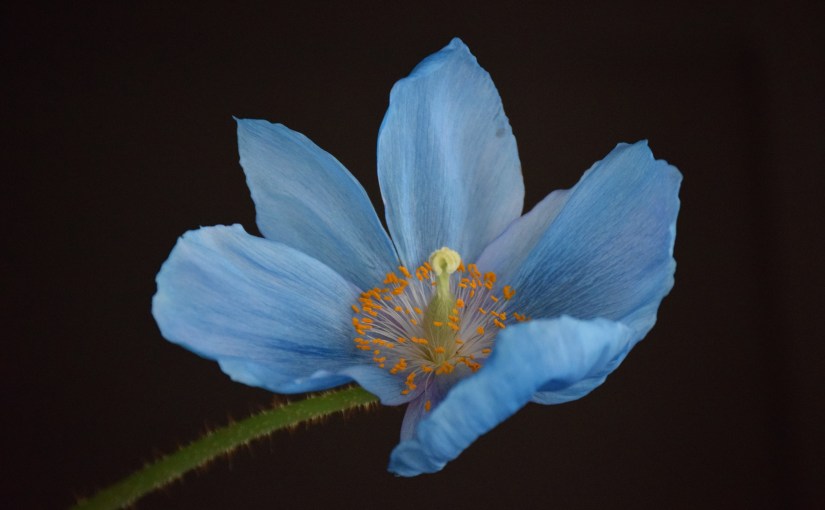
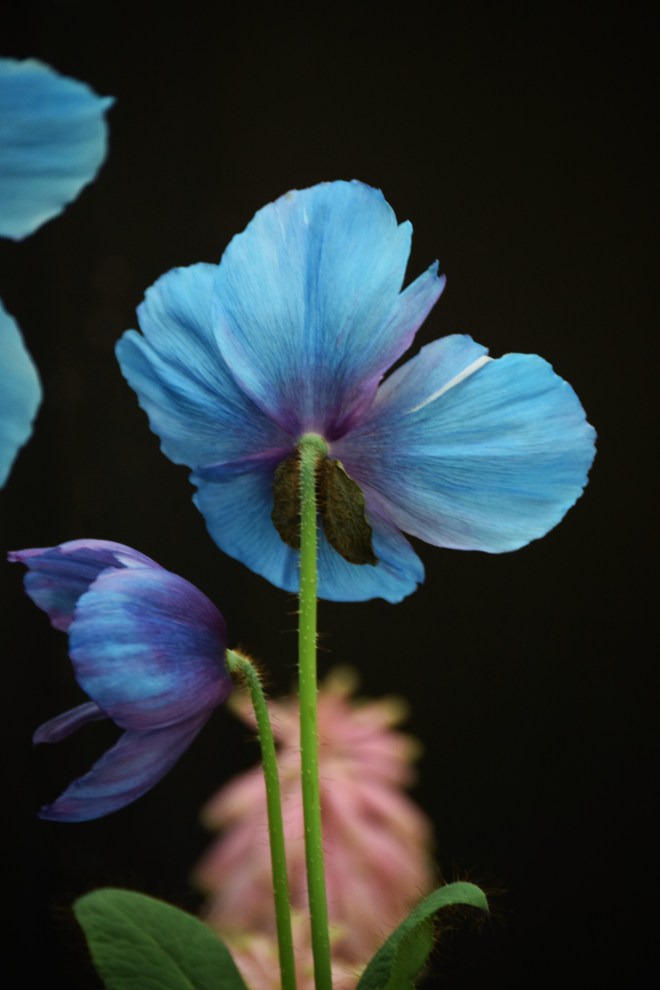
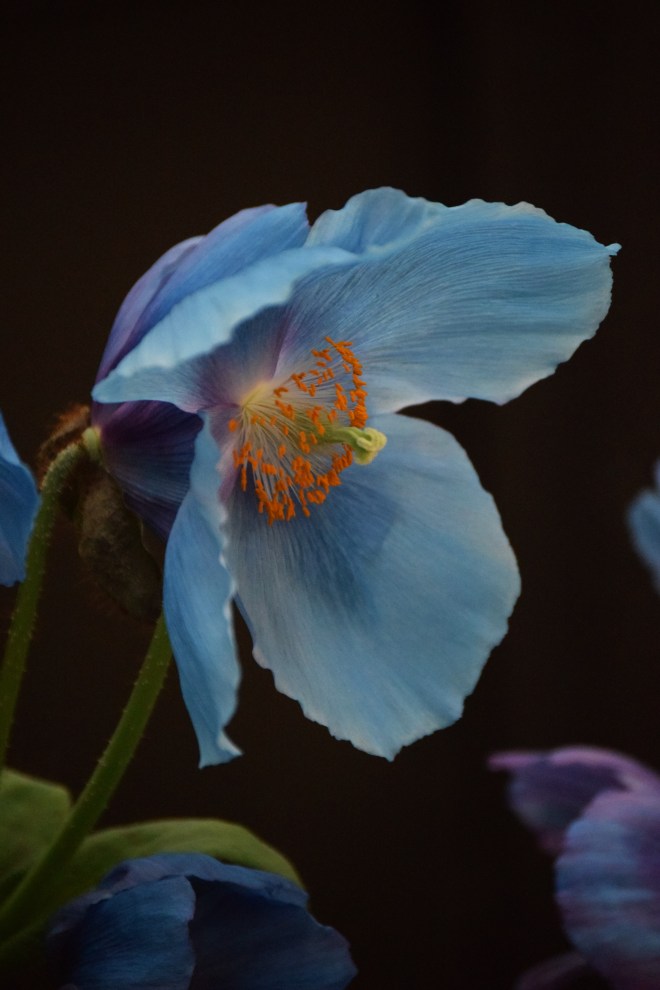
The heavenly blue Himalayan poppy may be considered a superstar of the plant world. Collected from the mountainous Himalayas it has captured the attention of all who encounter it. It was first discovered in 1922 by the mountaineer George Leigh Mallory and a group of British explorers in the East Rongbuk Valley in Tibet. Then later collected by famous plant hunters like Frank Kingdom Ward,  Ernest Henry Wilson and others. Including blue there are a variety of colours within the genus of Meconopsis such as red, yellow, white and purple.   The name is derived from the Greek word mekon (poppy) and opsis (like) meaning poppy like.

This rare coloured plant has been described as temperamental and has proved challenging to grow by even the most highly skilled. In many cases people have viewed the plant as unattainable as it is a crowning achievement if you can successfully grow this plant in your garden.  It will refuse to grow in hot climates with warm summers and low rainfall.   In the Himalayas summers are wet and winters cold and dry. If you live in the North of England or Scotland where summers can be short and at times drizzly the poppy will thrive in these climatic conditions which are reminiscent of its home.

When growing from seed use fresh and properly stored seed. Place in a cool room or fridge for a few months to mimic a winter in the Himalayas to help trigger germination. It is best to sow the seed in Dec-Feb. Surface sow and only very lightly cover. They can then be left outside or in a greenhouse but remember to water from the base. Germination can take two weeks to several months. If you have a greenhouse with a heated bench the optimum temperature is ideally 150C. The key fact to remember if to never allow the surface to dry out. Once germination has occurred delicately prick out the small seedlings into individual pots and grow on. They like a nutrient rich soil and when mulching take extra care not to cover the crowns of the plants. If a hot summer occurs use overhead irrigation to ensure survival. Meconopsis thrive in dappled sunlight. Too much sun and they will get scorched leaves. This plant is challenging to master but with patience and the right climate you too can raise these tantalizing plants.


For more advice on which species to grow and further information:

The Meconopsis Group’s advice for first time growers

Blue Himalayan Poppies at Longwood Gardens


DSC_0848 (2)


DSC_0855 (2)


DSC_0824 (2)

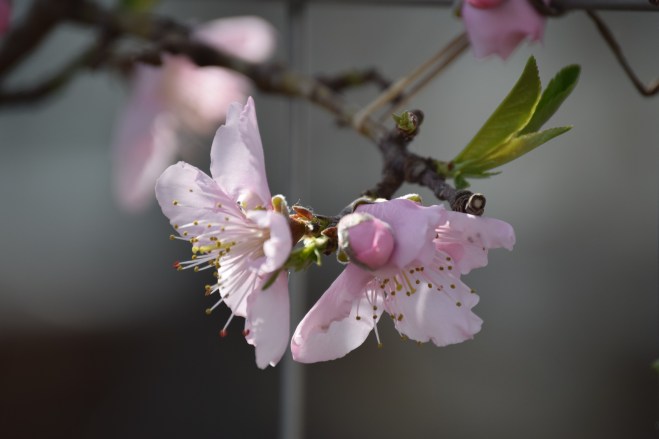
Peaches & Nectarines

Eating a home grown, sun-ripened peach or nectarine is heaven. However growing an espalier tree requires various requirements to get a bountiful harvest. It is best to prune the trees in November, removing all the leaves from stem during the process and selecting the three best growing tips to tie in. It is best to grow them in a frost free environment, but still experience low winter temperatures which are fundamental for fruit development. Whitewash your greenhouse walls every year and use flexi tie to tie the stems into the training wire on the wall. Irrigation is important for fruit development so a seep hose irrigation system works well. Rabbit tails or paint brushes can be used to hand pollinate the flowers during spring and leave the door open during the day to allow bees to visit for pollination. Make sure there are vents to allow good ventilation during the summer months.  Mulch the trees each year with leaf mould and use bone meal or manure to feed. With fruiting plants it is essential to have a quick release feed to help aid fruit development. Some peach varieties to grow are PeregrineRochester, Hale’s Early and Dymond. Nectarine varieties are Early Rivers, Lord Napier and Pineapple.


DSC_0739


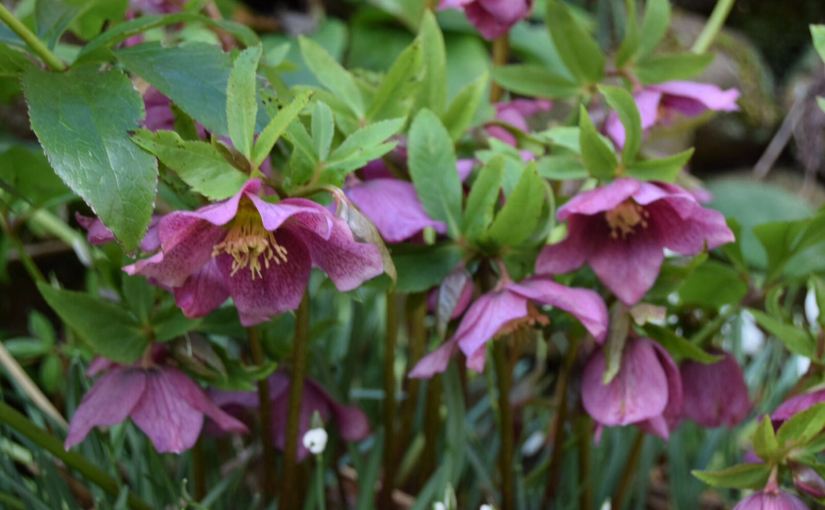
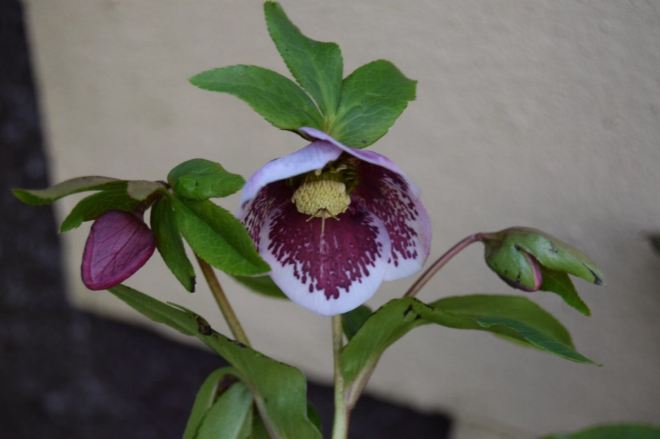
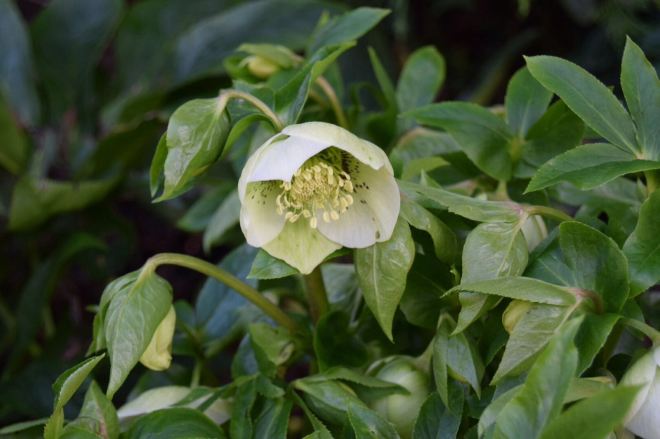
Heavenly Hellebores

Early spring is when one plant in particular, the Hellebore, becomes the star of the show. More commonly known as the Lenten Rose hellebores are perennial which means the plant will come up year after year.  They belong in the Ranunculaceae family with 15 species within the genus. Most of the modern new hybrids are crosses from Hellebore orientalis and John Massey of Ashwood Nurseries in the Midlands has created a number of award winning cultivars.  They provide a splash of colour in the garden when everything else is waiting for warmer weather to return. Always trim the foliage down to the ground in the Autumn to avoid black spot and other diseases being carried in the leaves. They thrive in neutral or slightly alkaline soil especially when organic matter is incorporated into the soil. Position them in a shaded or partially shaded area where they will seed freely or multiple through division. Seed can be collected in June and sown fresh in seed trays which will start a new generation of hellebores for your garden. The petals are actually sepals (modified leaves) which means they stay on the plant for about two months providing a lasting display. To admire the detail of the inner sepal  markings collect a few flowers and float them in a bowl of water indoors for everyone to enjoy.

IMG-20160223-WA0003

IMG-20160223-WA0004


Topiary

Topiary is a living green art form. This evergreen structure is typically made from Box, Yew, Ilex and Conifers which keep their shape well. They provide excellent winter interest with a strong structure of crisp clear lines and a focal point for the visitor’s eye. If snowfall is heavy gently knock it off the branches to prevent them being damaged by the weight of the snow. They will need an annual trim to maintain their creative shape and they can be trained into any form to resemble almost anything from a boat to an eagle! The only downfall is these topiary structures can take many years to grow until the desired shape is achieved. Often started using a wire or  bamboo frame to help get proportions and dimensions correct. As a grower you must remember that these plants are living and will require feeding and watering just like the other plants in your garden. Play with your imagination to create topiary balls, cones, spirals or lollipops for striking evergreen focal points or if you feel brave try to create your own shapes especially animals which often bring a touch of whimsy to the landscape.


DSC_0353