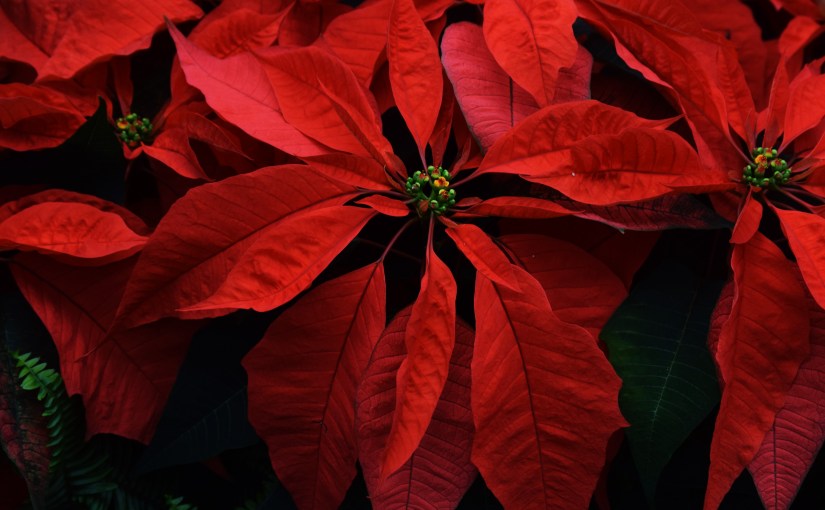
Caring for your Poinsettia

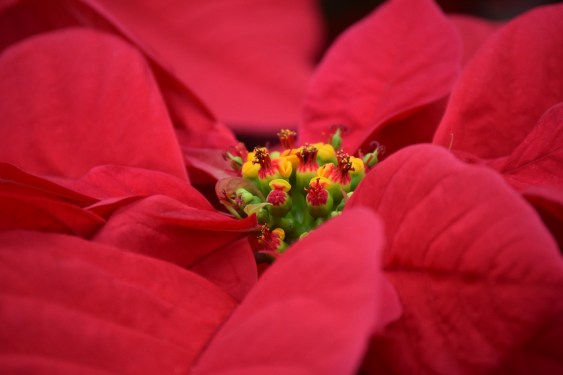
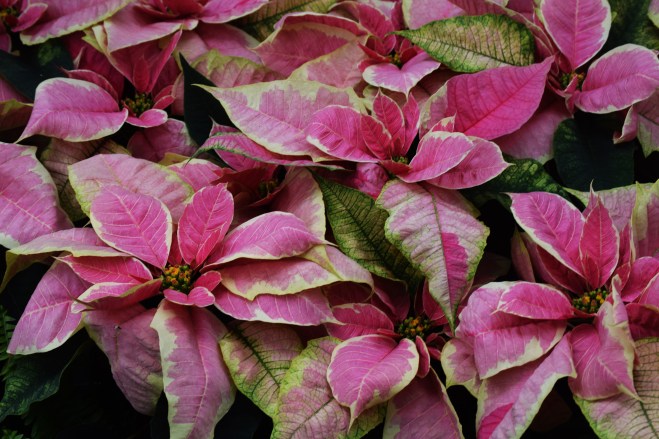
Poinsettias originate from Central America. As a result they do not live in temperatures below 130C. This highlights why you must be careful when moving your poinsettia from your car into your house during freezing conditions. If the plant gets frost exposure it will not recover.  Keep them in a warm sunny position at around 200C – free from cold exposure and drafts. Ideally they prefer humid conditions with moist soil and this can be replicated by placing a pebble dish under the pot.

After care

After flowering they can be kept for the following year but trying to keep the plant all year round is tricky and usually requires ideal glasshouse environmental conditions. They require certain light levels and certain temperatures to flower and provide beautiful showy bracts. They are hungry plants that will need fed weekly and like rich soil that is free draining.
 

DSC_0889


DSC_0879 (2)

Amaryllis for Christmas

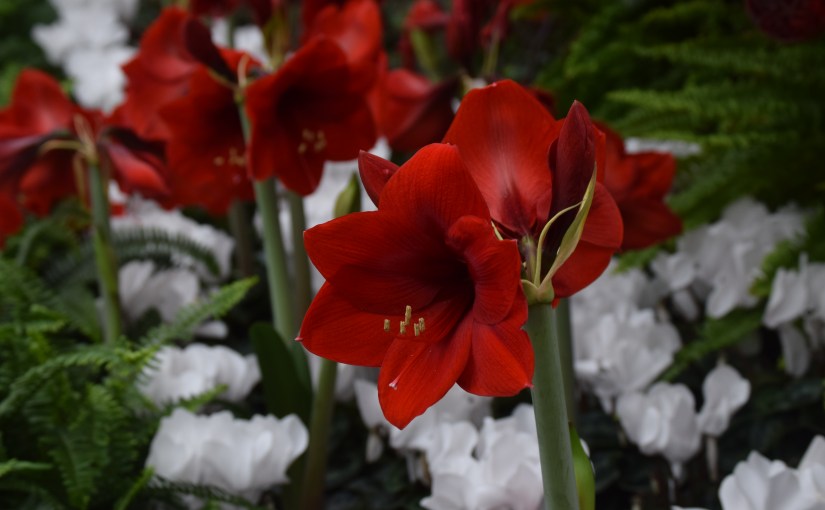
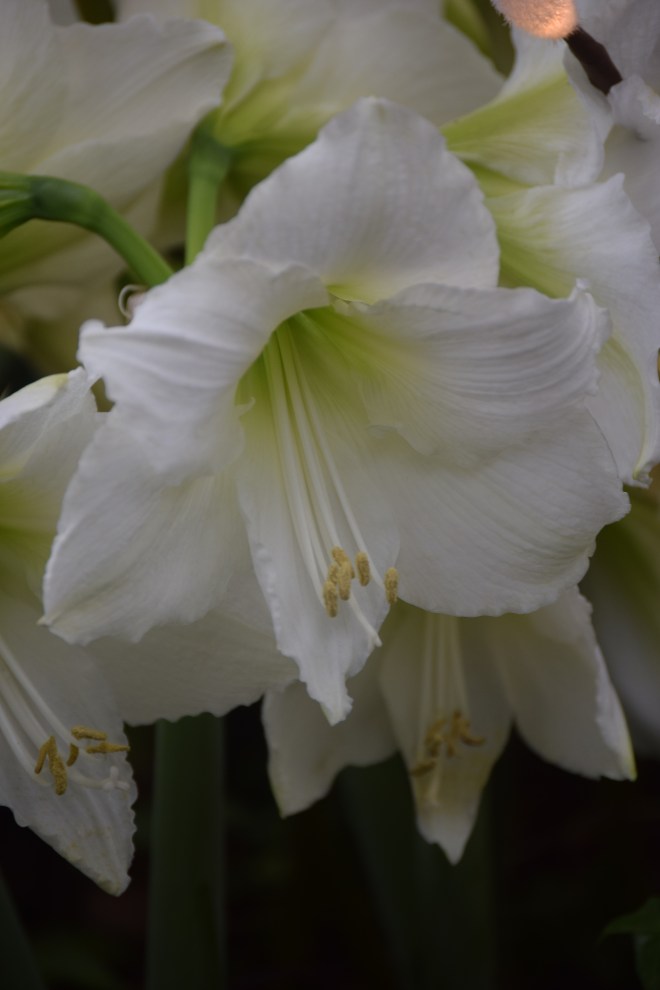
Amaryllis make fantastic house plants during the festive period.  Their showy flowers on the end of a tall stem are great en masse or as a single plant in an attractive pot. These beautiful flowers come in all colours ranging from pink, red through to creamy white. Only lightly water the bulb to prevent rot. Dot them around your home to add a dash of Christmas colour with a living ornament that will soften any room.

After Care

The bulb will need a dormant period of cold and dark for about 8 weeks before you want it to flower again. Bulbs produce bulblets. These can be re-potted and used as new plants. They will take about two years until they produce flowers.


DSC_0969


Delicious Kale

Cavolo nero is a beautiful and tasty kale to grow in your vegetable patch. It is also referred to as black cabbage, Tuscan kale, or even nero de Toscana. In the brassica family it is popular in Italy where it is used in many main dishes and soups. The flavour is slightly sweet with a rich and intense flavour. It has a good source of vitamins K, A, B and C, as well as calcium, manganese, copper and iron. It makes a great winter vegetable due to its hardiness providing fresh garden produce when fresh greens are scarce. The flavour and texture improves on the plant once the first frosts occur. It can even be grown in containers and can tolerate poor soils. Harvest regularly as this is a cut and come again crop and the small leaves are great in salads.  Sow in Feb- July in cells or sow direct into the ground.


DSC_0751 (2)


The Thousand Bloom Mum

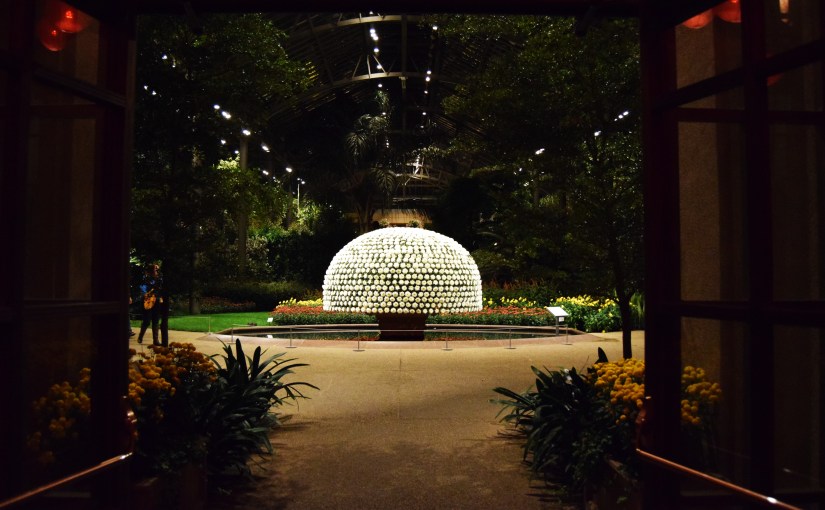
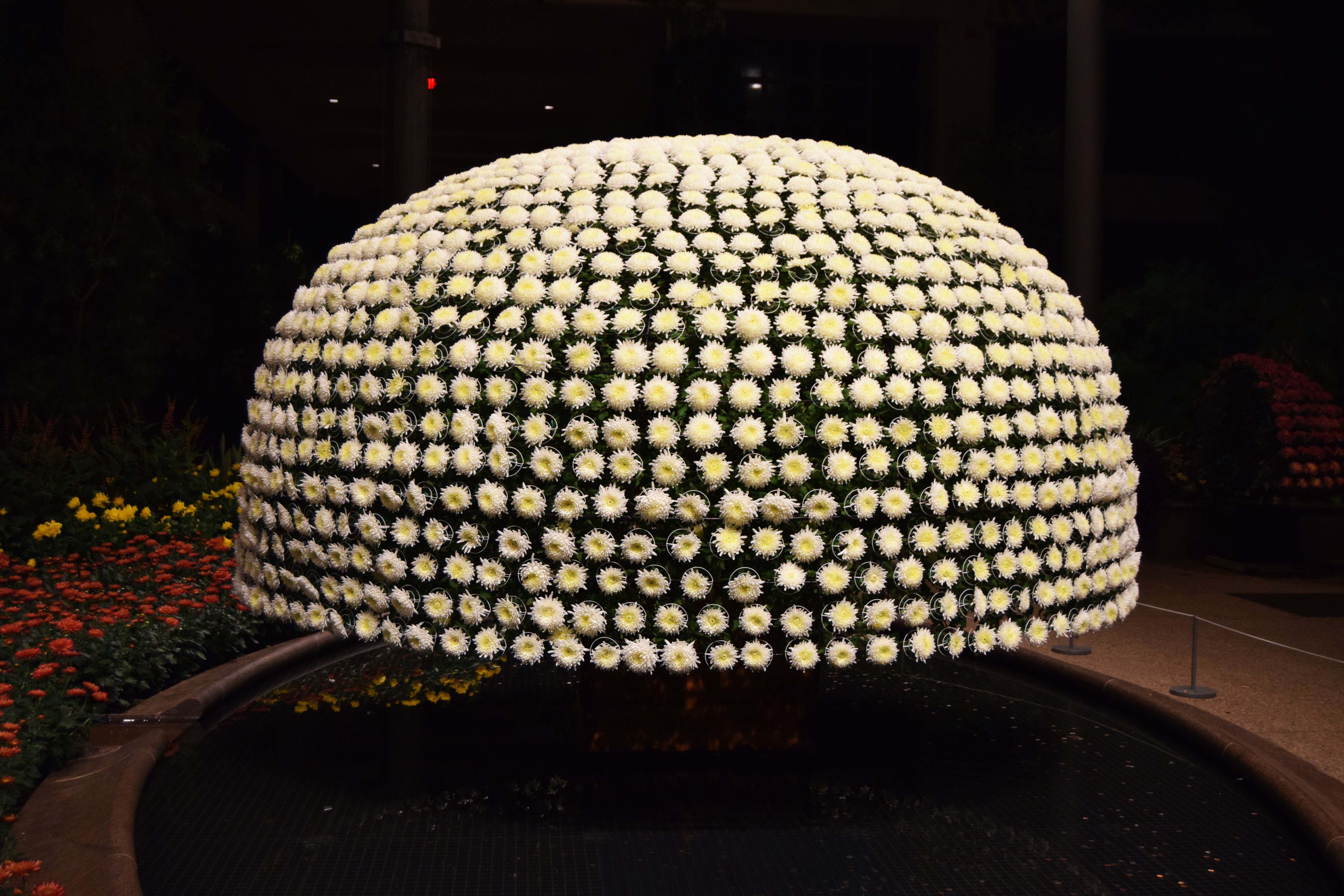
Longwood Gardens in Pennsylvania grows the largest thousand bloom ‘mum’ of its kind outside of Asia.  It has more than 1,500 flowers blooming this year on one plant alone! Two mums are grown from vegetative cuttings to ensure the 1000 bloom mum target is reached. From a single stem it takes 17 months and more than 1,500 staff hours to nurture and train this plant into a perfect blooming dome. Out of the hundreds of Chrysanthemum cultivars only a few are suitable for this size of mum. Longwood use the variety Chrysanthemum xmorifolium ‘Susono-no-Tsuk’. Each month the plants are re-potted, pinched, tied and framed as required. Towards the last month before the mum goes on display in the conservatory final flower placement and selection is carried out and a custom-designed frame built to fit. Longwood’s Chrysanthemum Festival showcases more than 16,000 beautiful Chrysanthemums which is the largest display in the USA.

DSC_0846 (2)

Colourful Chrysanthemums

First cultivated in China as a flowering herb in the 15th century BC. An ancient Chinese city Xiaolan was named Ju-Xian meaning ‘Chrysanthemum city’. It is suggested the flower was introduced to Japan in the 8th century. There is even a ‘Festival of Happiness’ in Japan celebrating the flower which was brought to Europe in the 17th century. Linnaeus named it using the Greek for ‘golden’ chrysous due to the colour of its original flowers.  They are very easy to cultivate, provide a vibrant amount of colour and can be used in different designs and forms. Flowering in autumn they can have spirals, globes and feather like petals.

DSC_0992 (2)

DSC_0985 (2)

Brooklyn Botanic Garden in New York

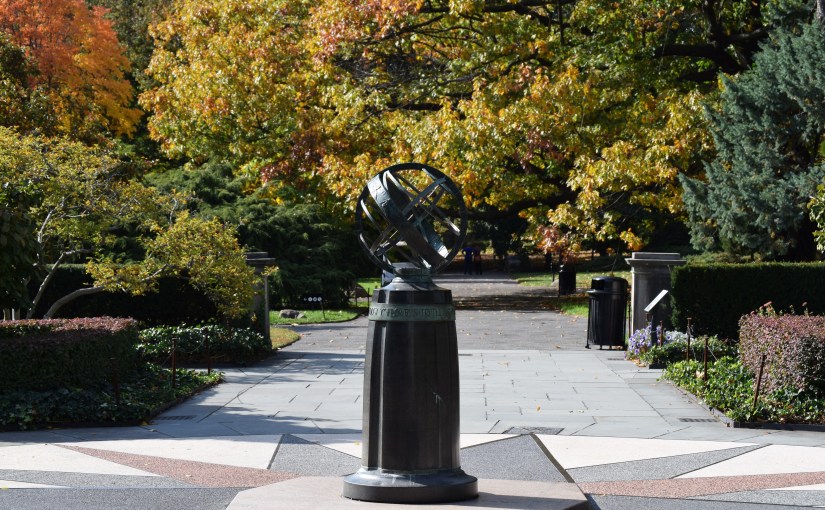
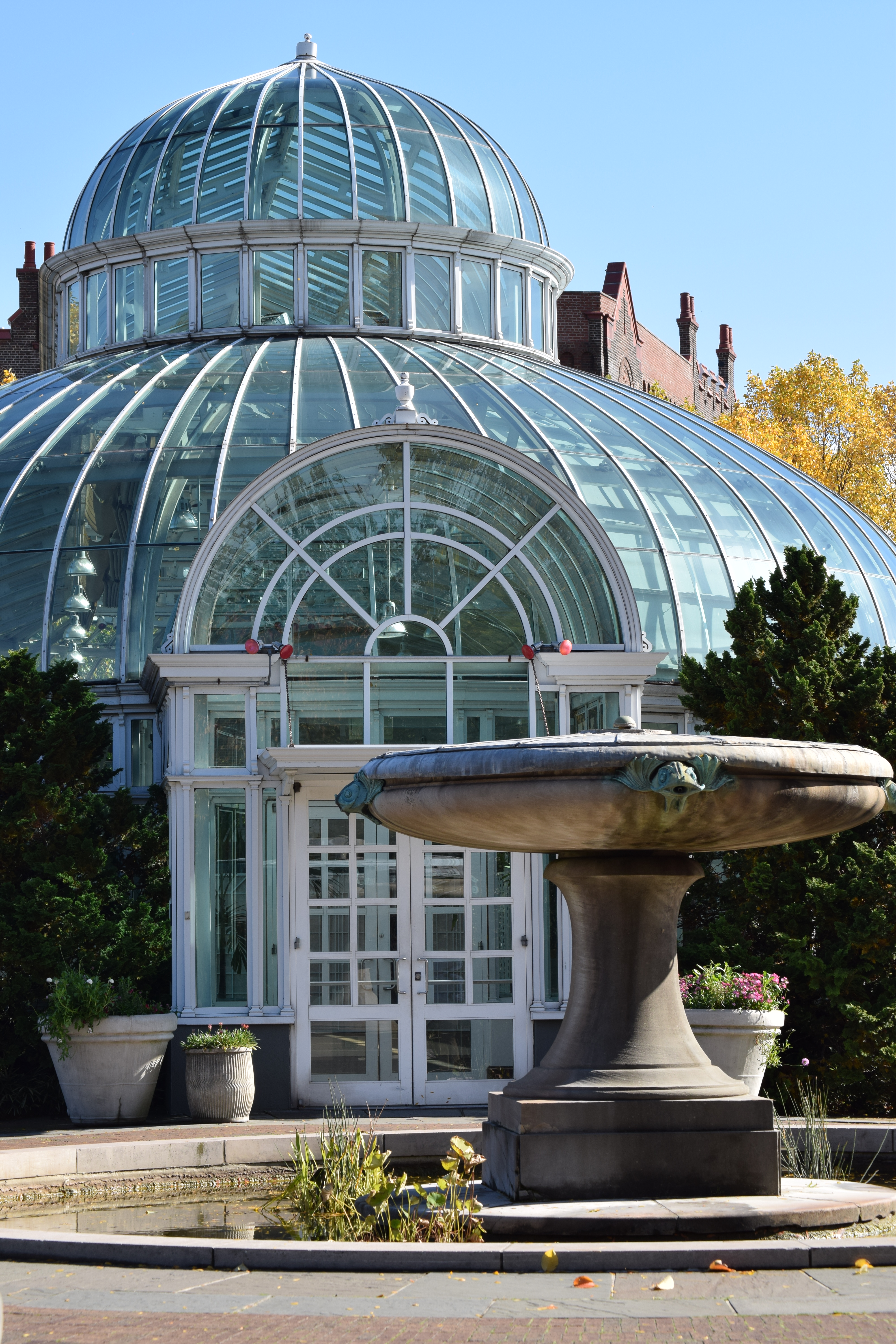
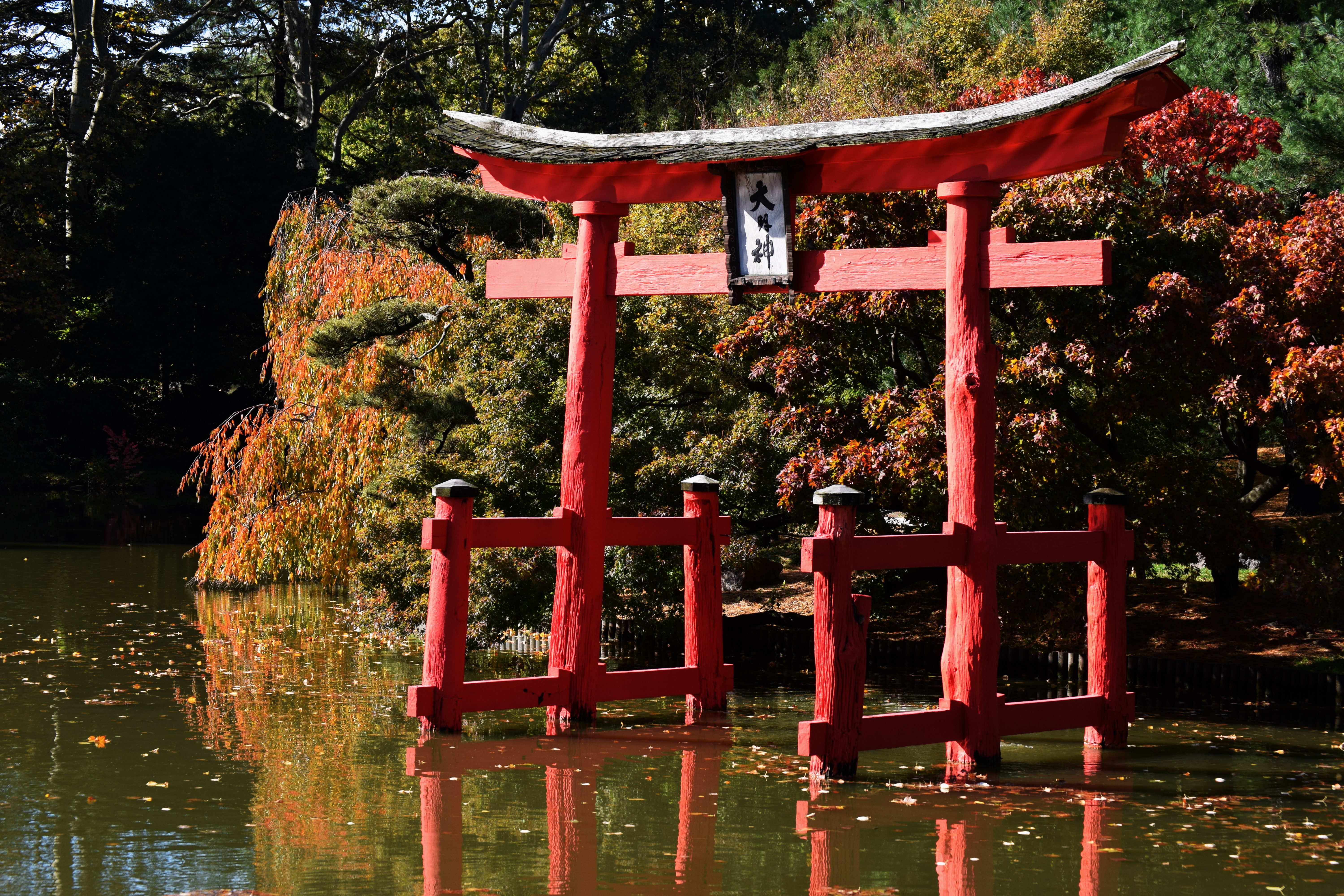
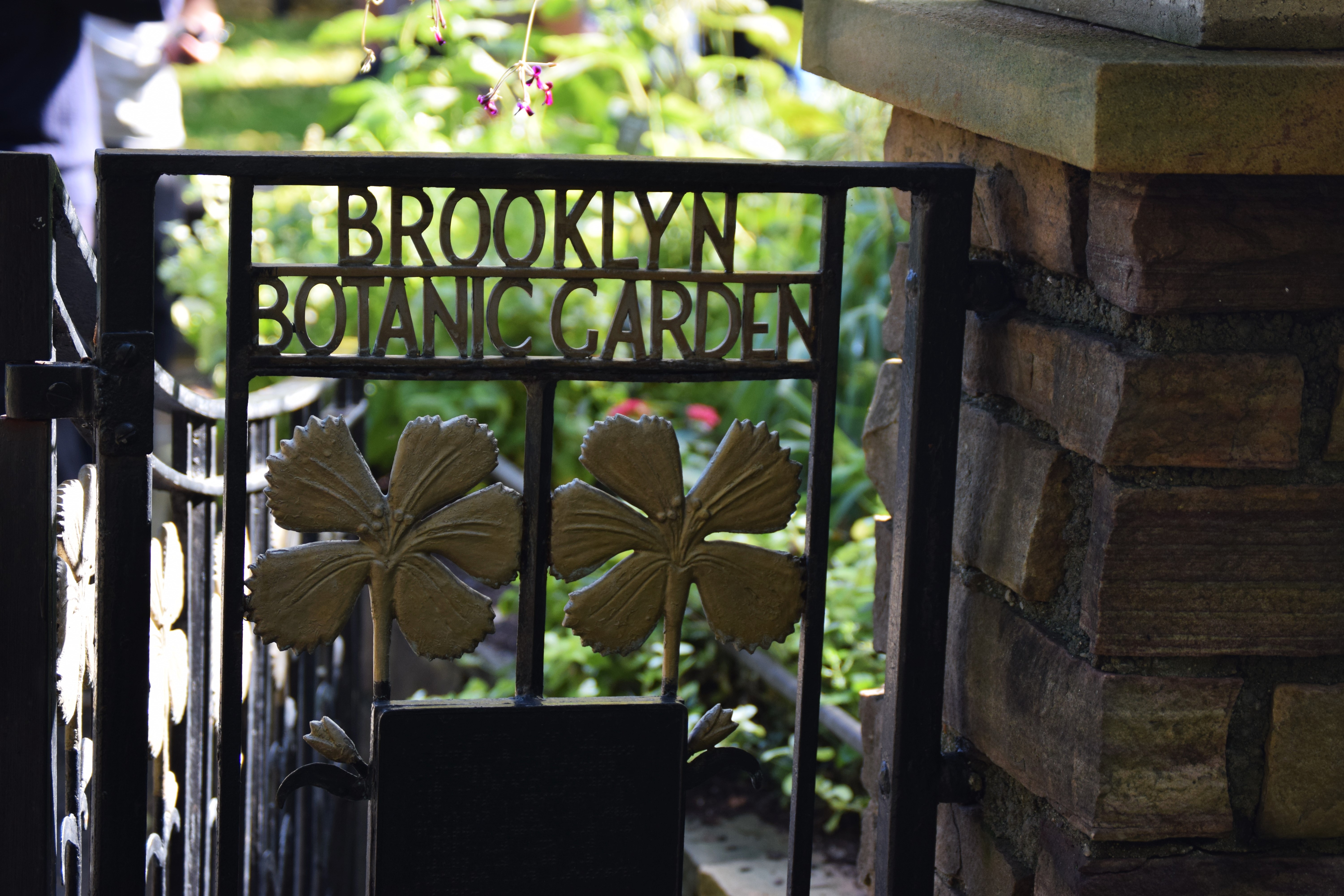
Growing from its humble beginnings as an ash dump in the 1800’s this 52 acre garden has evolved to become the very best in urban greening, horticultural expertise and display. The garden’s core values are focused on education, sustainable practices and stewardship. It is leading in having a Children’s Garden established since 1914 where children are allowed to grow flowers, vegetables and herbs. Here they learn first-hand about growing and the natural world which surrounds them. There is a wonderful cherry esplanade that blooms in April every year attracting many visitors to experience the garden’s annual Cherry Blossom Festival. The Japanese hill and pond garden is one of the oldest and most visited outside of Japan. A spectacular sight it features wooden bridges, a viewing pavilion and Shinto shrine.  There are also impressive glasshouse pavilions which showcase plant species from around the world.

DSC_0334

DSC_0294 (2)

DSC_0261 (2)

DSC_0273 (2)

The Perfect Pumpkin

Pumpkins range in colour and size from cute miniatures to record breaking giants. A pumpkin is a fruit in the genus Cucurbita. The word
pumpkin has French and Greek derivations meaning ‘ripened in the sun’. They are classified as a fruit not a vegetable, as the fruit forms from a single flower and has no stone or core like an apple. Pumpkins can be great fun for the whole family to grow especially young children. They need plenty space in a sunny position, plenty water and sheltered from strong winds. Sow outdoors in May or June after the risk of frost has passed. Space plants 1.8metres apart and feed the plant every week with a high potash fertiliser or use well-rotted manure and compost tea. It is also important to support the fruit off the soil using a straw mulch, glass or even a tile. Great fun carved and lit on the porch for Halloween, and attractive ripening in the garden. Once harvested use the produce in tasty soups, pies or simply just roast them.

DSC_0621

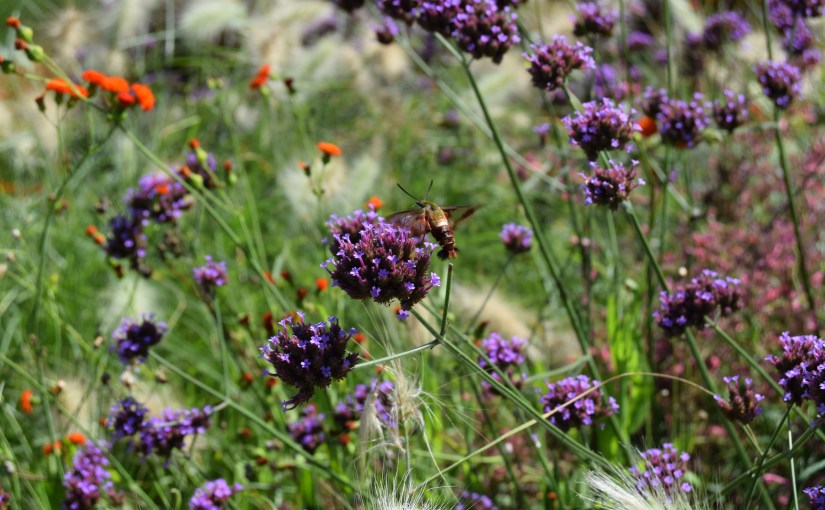
Vibrant Verbena

Verbena is a garden classic that can bloom and perform all summer long with very little effort. It’s origin is South America. Some are considered tender perennials while others are seen as short lived annuals and encouraged to self-seed. They vary in growth habit from spreading, ground cover, containers, edging and garden beds. They have attractive airy stems and flowers that soften any garden. The flowers are delicate funnel shaped borne in clusters and can range from white to pink, red, blue, purple and apricot. Verbena bonariensis is a popular self-sown annual in the genus to grow. It is best as a one year old and allowed to self-seed throughout a bed or gravel. It is suggested to deadhead all forms to encourage extended season of blooms. It is great for attracting butterflies into your garden. Miscanthus and other grasses work well as a contrasting planting combination.

11215819_10153196570453546_435963358220793394_n

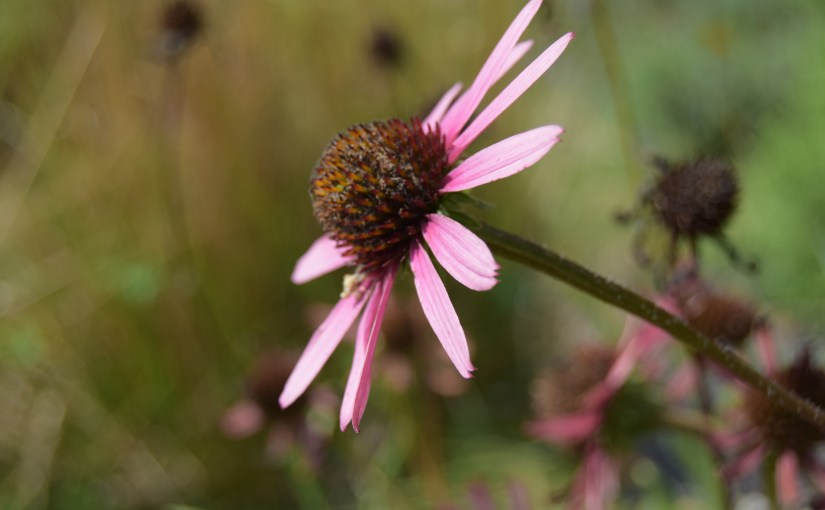
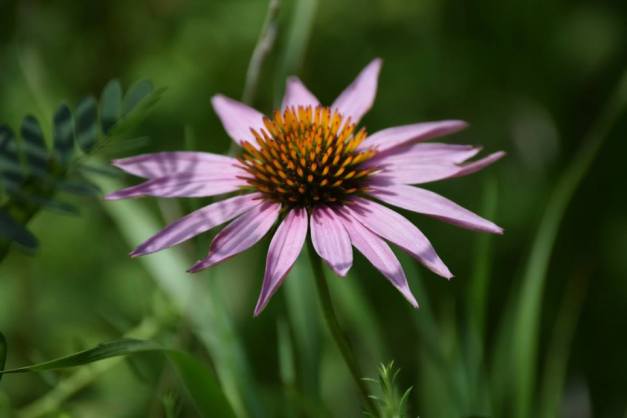
Enchanting Echinacea

There are five species of perennials in the genus
which share similar characteristics. Most species are native to the prairies of central Canada and the Midwestern United States of America. They all have the cone-shaped flower heads with ray florets in various colours. They are attractive plants to grow in your garden with their erect, coarse stems and a good contrast to floppy less structured plants. As well as a valuable cut flower they can be used in fresh or dry arrangements. Many gardeners leave the flowers on over winter for birds and they look good in frost conditions. The dried root is known for being used in modern herbal medicine, skin products and shampoos. The genus is derived from the Greek word echinos ‘hedgehog’ referring to the plants’ prickly cone flowers. Echinacea perfom best in fertile soil that is well drained. Despite this they are tolerant of poor soils and can be drought tolerant once established.

11885220_10153162889523546_3830478928869575483_n